

Blog

#image_title

#image_title
#image_title
The topic of “vagina tightening” is surrounded by a complex mix of genuine medical concerns, widespread misinformation, and cultural pressures. It’s a subject that touches on postpartum recovery, aging, sexual satisfaction, and self-image, making it crucial to separate anatomical facts from marketed fictions.
The Anatomy of Elasticity
First, it’s essential to understand that the vagina is a remarkably elastic muscular canal. Its walls are lined with folds of tissue that can expand dramatically to accommodate childbirth and contract afterward. The perceived “looseness” is often related to the tone of the pelvic floor muscles—a supportive hammock of muscles that can weaken due to certain life events.
Common causes of decreased pelvic floor tone include:
- Childbirth: Particularly vaginal delivery, which can stretch and sometimes traumatize these muscles.
- Aging: Natural decline in estrogen, especially during menopause, can lead to thinner, less elastic vaginal tissues (a condition called vaginal atrophy).
- Chronic Straining: From heavy lifting, chronic coughing, or constipation.
- Simple Genetics: Some people naturally have stronger or weaker pelvic tone.
Separating Fact from Fiction: The “Tightening” Landscape
The market is flooded with products and procedures promising dramatic results. Here’s a clear-eyed look:
1. Non-Medical Approaches (The Most Evidence-Based)
- Kegel Exercises: The gold standard for strengthening the pelvic floor. When done correctly and consistently, they can significantly improve muscle tone, urinary control, and sexual sensation. The key is proper technique, which a physical therapist can ensure.
- Pelvic Floor Physical Therapy: A specialized therapy for assessing and treating pelvic floor dysfunction. Therapists provide personalized exercise regimens and may use biofeedback.
- Vaginal Weights or Ben Wa Balls: Often used as tools to enhance Kegel exercises by providing resistance.
2. Over-the-Counter Products & Trends (Proceed with Caution)
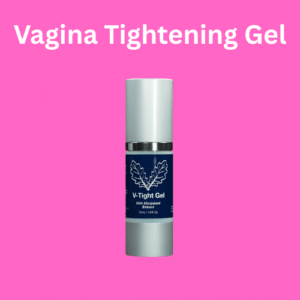
- Tightening Creams/Gels: Typically claim to contract tissue or provide a “tingling” sensation. Effects are temporary (if any), often just causing mild irritation or swelling that may feel like tightness. They do not create lasting change and can disrupt the delicate vaginal pH.
- Herbal Steam Treatments (“V-Steams”) or Suppositories: Lack robust scientific evidence for tightening. They carry risks of burns, infection, and allergic reactions.
3. Medical & Surgical Procedures
- Non-Surgical Energy-Based Treatments: Such as laser (e.g., MonaLisa Touch) and radiofrequency (e.g., ThermiVa) therapies. These aim to stimulate collagen production in vaginal tissues. While some patients report improvements in dryness and mild laxity, long-term data is still evolving, and they are often not covered by insurance.
- Vaginoplasty (Surgical “Tightening”): A surgical procedure to repair and reconstruct the vaginal canal and pelvic floor muscles, often after significant obstetric trauma. It is a major surgery with risks of scarring, pain, and loss of sensation. It should not be considered a cosmetic sexual enhancement procedure and requires consultation with a highly qualified urogynecologist or plastic surgeon.
A Critical Perspective: Culture, Pressure, and Sexual Satisfaction
The drive for “tightness” is often less about medicine and more about sociocultural myths:
- The Myth of Virginal Tightness: The idea that tightness equates to youth or virtue is anatomically inaccurate and harmful.
- Sexual Satisfaction: Pleasure for all partners depends on a multitude of factors—emotional connection, arousal, technique, and overall health—far more than vaginal tightness. Arousal itself causes the vagina to lengthen and lubricate, not simply “tighten.”
- The Postpartum Pressure: Many new mothers feel immense pressure to “bounce back,” including internally. Healing takes time, and the body’s primary goal is recovery, not conforming to an aesthetic ideal.
Making an Informed Decision: What to Do?
- Identify the Real Concern: Is it urinary leakage? Decreased sensation during sex? A feeling of vaginal fullness? Or is it an anxiety driven by a partner’s comment or societal expectation? Pinpointing the true issue is step one.
- Consult a Healthcare Professional: Start with a gynecologist or a urogynecologist. They can assess pelvic floor strength, rule out conditions like prolapse, and recommend the safest, most effective path.
- Prioritize Evidence-Based Approaches: Before considering expensive procedures, commit to a guided regimen of pelvic floor therapy.
- Question Motivations: Be critical of marketing that preys on insecurity. Seek information from reputable medical sources, not influencers or anecdotal blogs.
The Bottom Line
Vaginal health is an integral part of overall well-being. While changes in tone are real for many, the concept of “tightening” has been co-opted by a lucrative, often unregulated industry. The most empowering approach is to understand the anatomy, strengthen the body through proven methods, and challenge the narratives that reduce a complex part of the female anatomy to a simplistic measure of desirability. True sexual health is built on education, communication, and care—not on a marketed ideal of tightness.
